
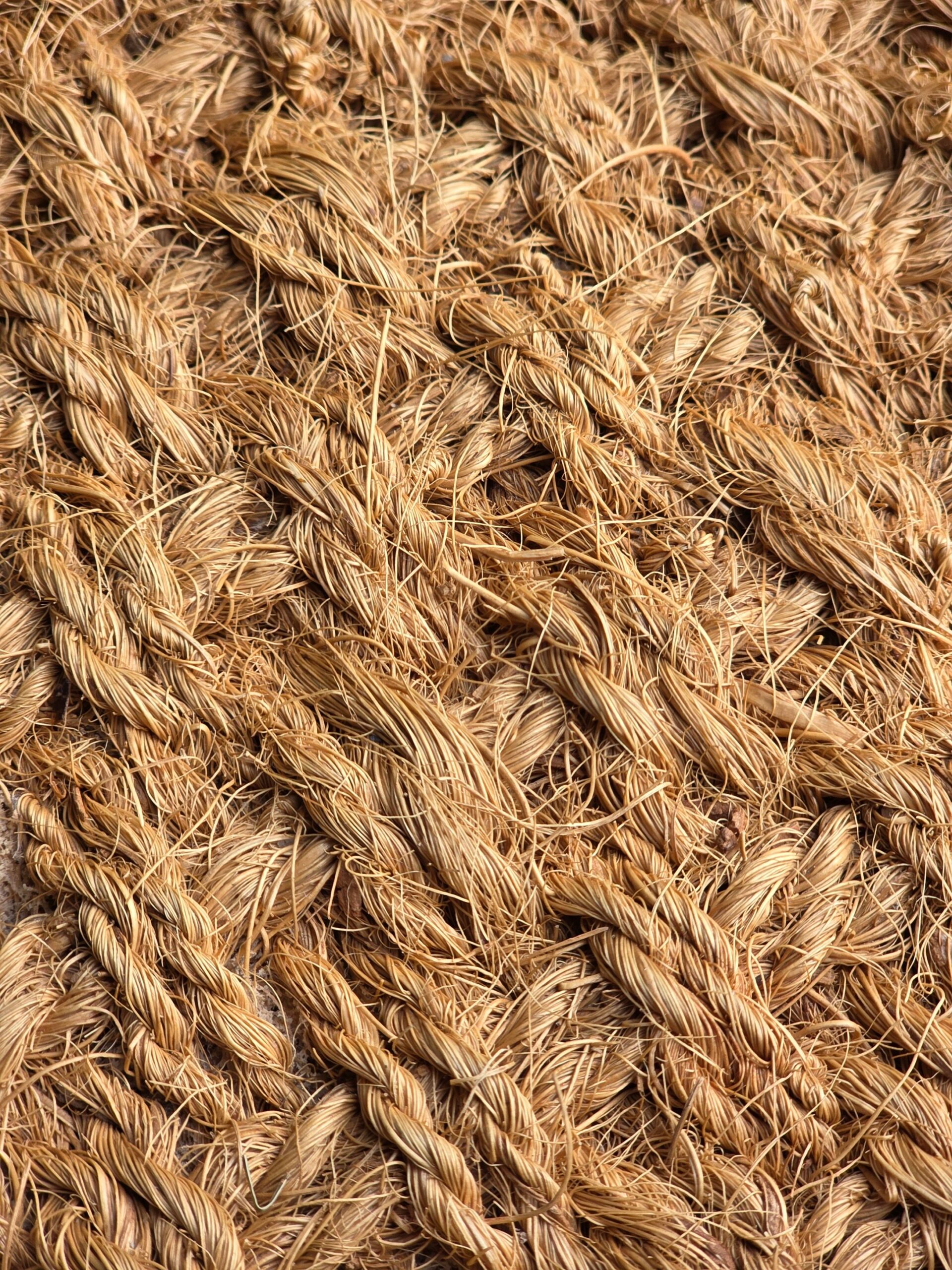
As the industrial hemp industry continues to expand, manufacturers are discovering new opportunities beyond cannabinoids and hemp biomass. One of the fastest-growing segments of the market is hemp fiber manufacturing, where hemp stalks are processed into valuable materials used in textiles, construction products, paper, packaging, biocomposites, and industrial applications.
Successful hemp fiber production begins with efficient material processing. Size reduction plays a critical role in preparing hemp stalks and fiber for downstream manufacturing operations, making equipment selection a key factor in overall productivity.
Understanding Hemp Fiber Processing
Industrial hemp stalks contain two primary components:
Bast Fiber
The long, durable outer fibers used in textiles, composites, rope, insulation, and specialty materials.
Hurd
The woody inner core used in animal bedding, hempcrete, absorbents, paper products, and industrial applications.
Before these materials can be separated and utilized, hemp stalks must be processed into manageable particle sizes.
The Role of Size Reduction in Fiber Manufacturing
Size reduction serves multiple functions throughout hemp fiber production.
Material Preparation
Reducing bale size and preparing stalk material improves handling and feeding efficiency throughout the production process.
Improved Separation
Proper size reduction helps facilitate decortication and fiber separation operations by creating a more uniform feedstock.
Consistent Processing
Uniform particle size improves downstream equipment performance and contributes to consistent finished products.
Enhanced Throughput
Efficient processing systems help manufacturers maximize production capacity while reducing handling challenges.
Common Challenges in Hemp Fiber Processing
Hemp presents unique processing challenges compared to many traditional agricultural materials.
The material is:
- Fibrous and resilient
- Variable in moisture content
- Prone to wrapping and bridging
- Difficult to process using conventional equipment
These challenges require robust machinery specifically designed to handle tough fibrous feedstocks.
KannaMill Solutions for Hemp Fiber Applications
Drawing upon Schutte Hammermill’s century of size reduction expertise, KannaMill equipment is engineered to process hemp materials efficiently and reliably.
Our solutions are designed to handle:
- Industrial hemp stalks
- Fiber feedstock
- Hemp hurd
- Agricultural residues
- Biomass materials
Key benefits include:
Rugged Construction
Heavy-duty components withstand the demands of fibrous material processing.
Flexible Configuration Options
Systems can be tailored to support varying production capacities and material requirements.
Consistent Output
Reliable particle size control helps support downstream separation and manufacturing processes.
Proven Industrial Design
Built upon decades of industrial size reduction experience across agriculture, biomass, and fiber applications.
Supporting the Future of Hemp Manufacturing
As markets for sustainable materials continue to grow, hemp fiber manufacturers are positioned to supply a wide range of innovative products. Efficient processing systems help producers improve throughput, maintain product quality, and maximize the value of every harvest.
Whether your operation focuses on textiles, hempcrete, composites, animal bedding, or industrial fiber products, proper material preparation is essential to success.
Partner with KannaMill
KannaMill provides industrial-grade size reduction solutions designed to support the evolving needs of hemp processors.
Contact our team to learn how KannaMill equipment can help improve efficiency throughout your hemp fiber manufacturing operation.